MR .
SKYNETSkynet
An enterprise platform for digitising and automating Innovation City's internal operations: AI agents and digital workflows for each department, built on one shared foundation and the systems teams already use.
- Role
- Programme manager; engineering and business lead
- Team
- Team delivery at Innovation City
- Timeline
- Since April 2026, starting with discovery across the company
- Stack
- Python
- FastAPI
- Strands Agents
- PostgreSQL
- Redis
- AWS
- Links
01 · The problem
Innovation City runs a free zone: company formation, licences, visas, renewals, partner services and the finance and HR work behind them. Most of the data already lived in Salesforce, but the work around it did not. A discovery phase across eleven departments found the same pattern everywhere: the pain was operational, not strategic.
Paper forms for things like petty cash and vehicle gate passes. Records reconciled by hand between systems every week. Documents checked line by line. Staff asking the same expert the same questions several times a day. Leads that arrived after hours waiting until the next morning. Customer cases classified, acknowledged and chased by hand, and approvals given in passing with no record.
The objective was to digitise and automate that back office: remove unnecessary steps, cut the manual work, and let each team finish its processes faster, with less effort and the same result every time. AI agents were one part of that change, not the whole of it.
02 · The solution
Skynet is one platform for the whole company. Each department gets digital workflows and AI agents for its own processes, and every one of them runs on the same foundation: one sign-in and access model, one document library, one knowledge base, one set of integrations and one approval rule. A new process is built on what already exists instead of starting again.
- 01
Manual processes made digital
Paper and spreadsheet steps become flows in the platform, such as a petty-cash claim that goes from a photo of the invoice to a voucher to month-end, in place of paper vouchers.
- 02
Checks and lookups done for people
Company-name pre-checks, business-activity matching and document verification that returns its verdict to Salesforce, so the people reviewing start from a prepared answer.
- 03
Requests and leads that never wait
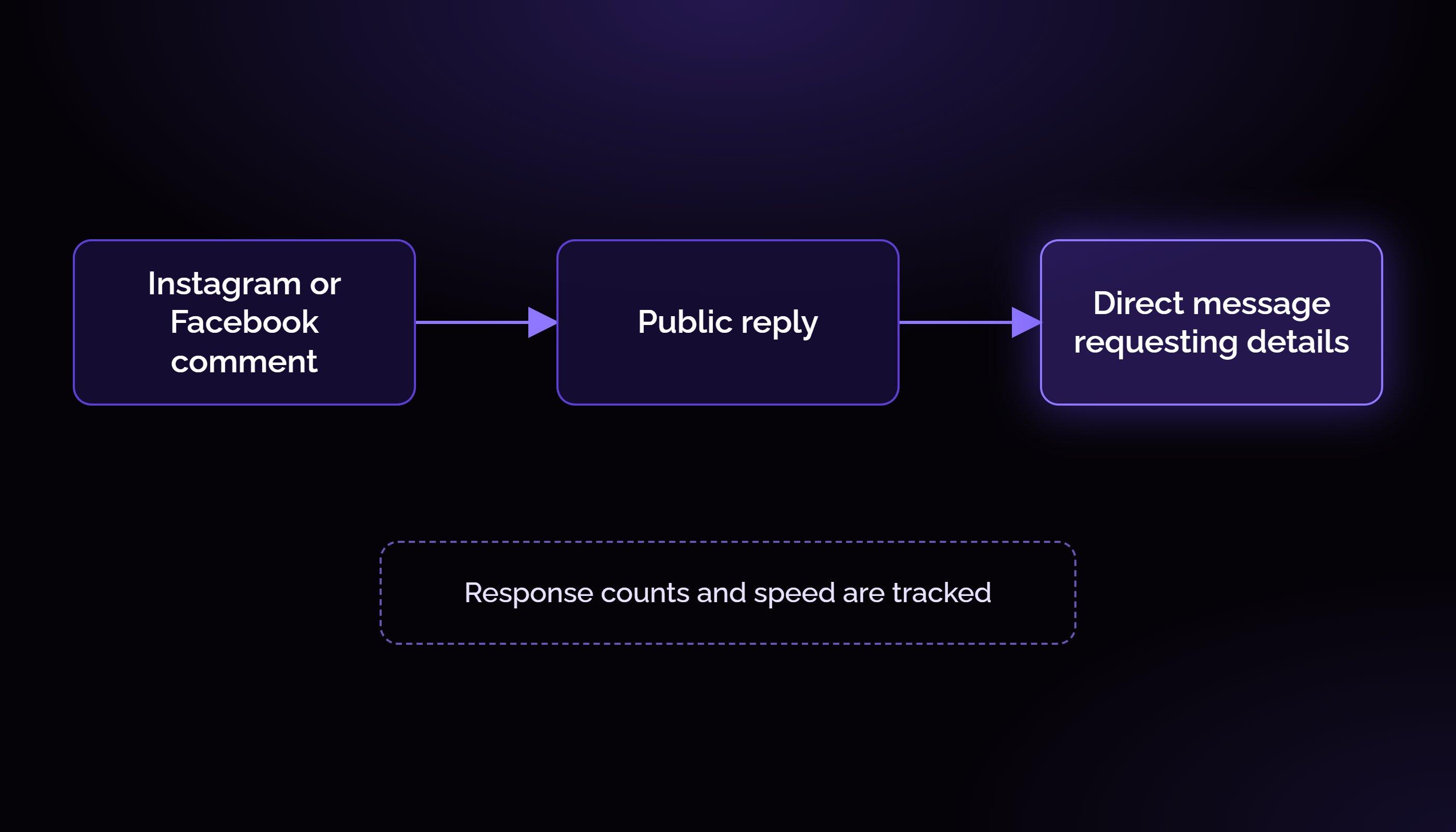
Social Responses replies to Instagram and Facebook comments and follows up by direct message for the details a lead needs; enquiries are qualified and created as leads in Salesforce.
- 04
Knowledge and research on demand
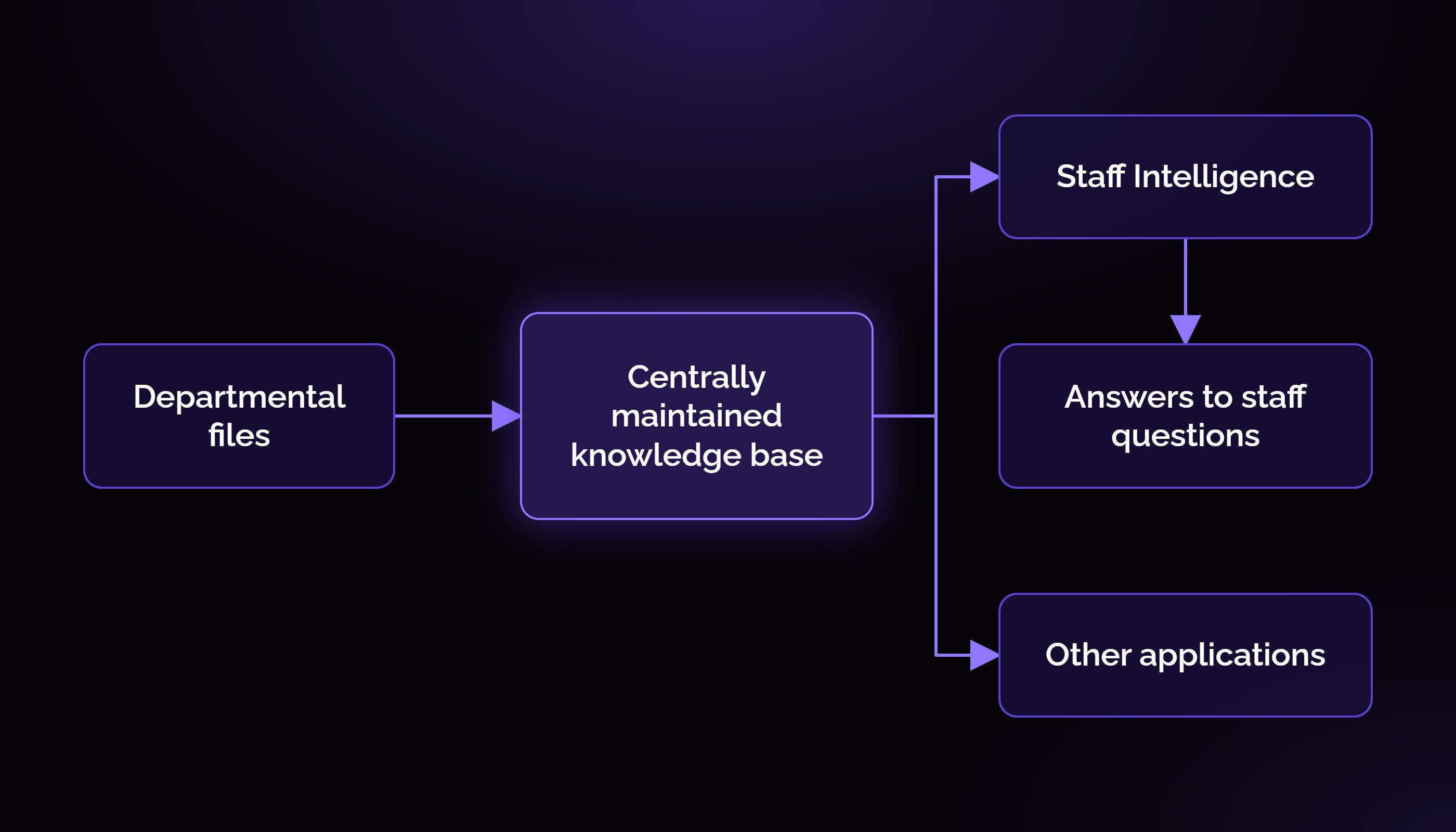
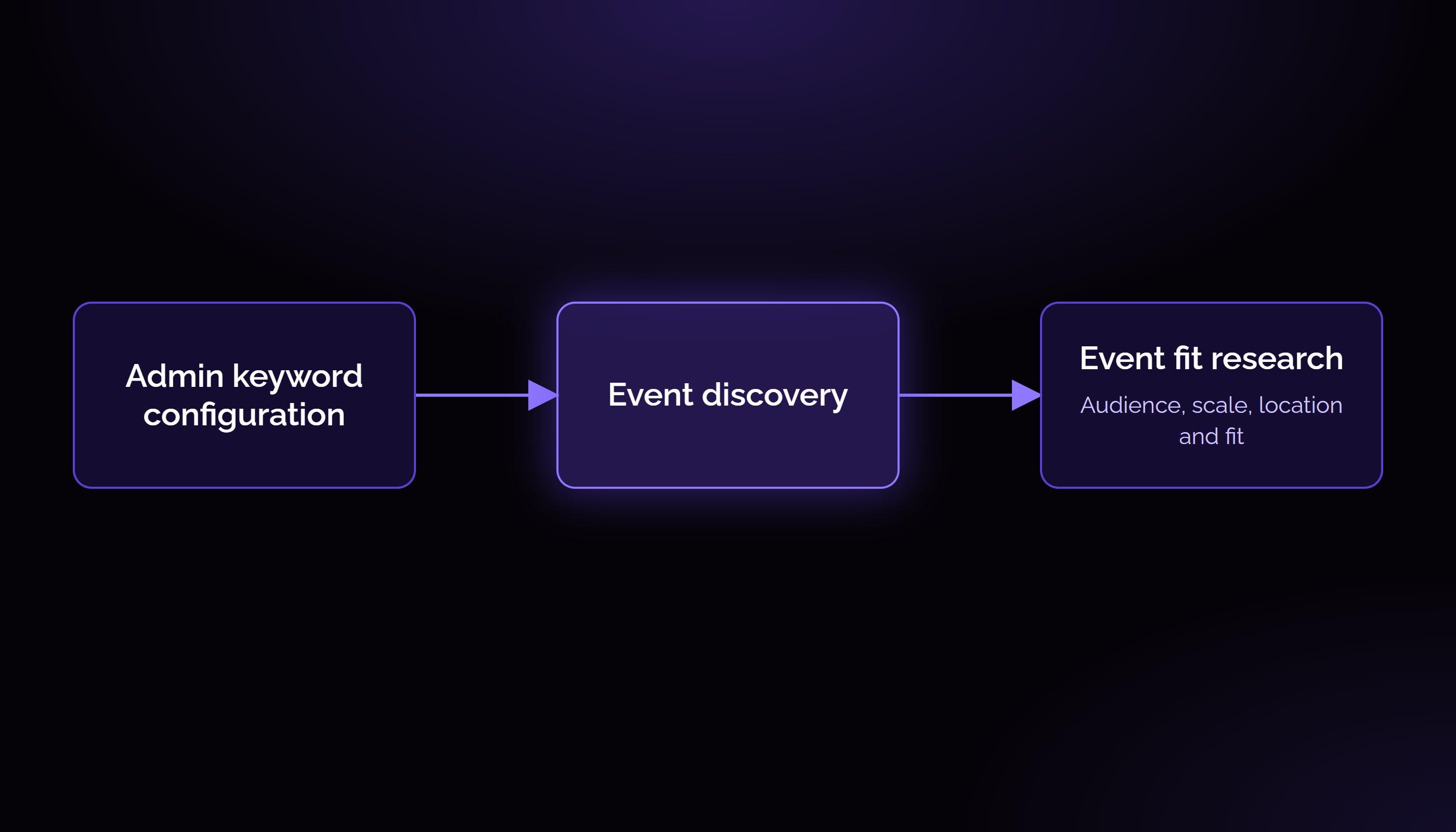
Staff Intelligence answers staff questions from one shared knowledge base, and Event Finder discovers and researches suitable events against criteria the marketing team sets.
- 05
A person approves what matters
Sending, publishing, filing into records, overrides and changes to master data wait for a person to approve them, so automation never acts on the company's behalf unchecked.
03 · Key decisions
- 01
One foundation for every department
Instead of a separate tool for each team.
Sign-in, documents, logging, approvals and integrations are built once. Each new process starts from what already works, and every agent behaves the same way.
- 02
Work back into the systems teams already use
Instead of a new system of record.
Results land where the work already lives, such as a document verdict written back to Salesforce, so teams change how fast they work, not where.
- 03
One knowledge base, reused by every agent
Instead of a copy of the knowledge for each agent.
Company knowledge is kept in one place and maintained once.
- 04
Actions that matter wait for a person
Instead of agents sending or publishing on their own.
Anything that goes out, or changes a record, has been approved by someone first.
04 · My role
Skynet is a team effort, and I led it from the engineering and business side. In discovery I was the programme manager, responsible for coordinating stakeholders and for the programme's governance.
Through delivery I verified what was being delivered, reviewed sizing and technical proposals, gave feedback and oversaw implementation, and I'm now taking on ownership of the platform. I also build on it myself.
What I did
- Took part in discovery as programme manager, coordinating stakeholders across departments and keeping governance over the programme.
- Reviewed sizing and technical proposals, verified deliveries against them, and oversaw implementation.
- Built event discovery workflows that search and score events against marketing criteria, track chosen events and alert the team to changes.
- Contributed to the Marketing department's head agent and its specialist agents, and to social agents that handle enquiries, qualify prospects and create leads in Salesforce.
- Worked on company-name pre-checks, business-activity matching, document verification, internal knowledge assistants and a 30, 60 and 90-day sales forecast.
- Contribute to the Python services and agent orchestration, and take part in security reviews.
05 · Impact
- departments assessed in discovery, from Registry to Finance and HR
- 11
- specialised agents across the departments, on one shared foundation
- ~50
- connections to the systems teams already use
- ~20
Skynet is in use across the company. Staff Intelligence answers staff questions from the shared knowledge base. Social Responses replies to comments and follows up with leads, with its response counts and speed tracked. Event Finder researches events for the marketing team, and the sales forecast runs in production. HR support for new joiners is in development.
Discovery left the company with a prioritised roadmap of the processes to digitise next, and the platform gives each of them the same starting point: sign-in, documents, integrations and approvals already in place.
Screens